


By Qian Yuying, Akira Tsuruta, 2026.03.04
Recently, we had the pleasure of interviewing Mr. Gao, who provides consulting services for starting restaurant businesses in Kyoto. In this post, I’d like to share some key takeaways from our conversation that I believe will be particularly insightful and interesting for our audience.”
Profile of Mr. Gao
He operates a chain of dim sum restaurants in Kyoto and leverages his extensive industry expertise to consult for Chinese brands entering the Japanese market. Notably, he recently spearheaded the Japanese expansion of M Stand, an emerging Chinese cafe brand.
Interview Part
1. What are the differences between the Japanese and Chinese F&B markets from a Chinese perspective?
Interviewer: “As someone who has lived in Japan for many years and has experienced both the Japanese and Chinese markets firsthand, do you feel there are significant differences between the two? From your perspective, what would you say is the most defining characteristic of the Japanese market?”
Mr. Gao: “I believe the most defining characteristic of the Japanese market—especially when compared to China—is how conservative and mature it is. Among Chinese people, we sometimes joke that ‘Japanese people are worrywarts.’ But that’s really because their expectations for products and services are incredibly high, and they already have a very clear, fixed image of what they expect. If you fail to meet those specific expectations, they’ll walk away dissatisfied.”
Mr. Gao: “Additionally, many Japanese consumers belong to generations that have already lived through a period of rapid economic growth. This means they’ve already experienced many of the things we Chinese consumers are just now starting to enjoy. So, something we see from a Chinese business perspective as ‘brand new’ might not necessarily feel fresh to a Japanese person. Because of this background, from a Chinese viewpoint, it can seem like Japanese people aren’t particularly eager to try new things. However, there’s another side to it: once a Japanese consumer chooses a product and has a great first experience, they are very likely to come back for it again and again. They value that consistent, repeated experience.”
Mr. Gao: “To be successful, I believe one of the keys is how you bridge your business strategies between the Chinese and Japanese markets. In Japan, consumers aren’t very forgiving of ‘trial and error’ from a brand. If you make a bad first impression with your product or service, that customer is likely gone for good. In China, it’s a different story. It’s common to start with a ‘minimum viable‘ setup—as long as the basic loop works and operations are smooth—and then adjust and refine as you go. For example, in the F&B industry in China, brands can easily tweak their menus or flavors on the fly to improve. But in Japan, you can’t just change things like that so easily. If you can’t satisfy a Japanese customer the first or second time, you can pretty much assume you won’t get a third chance to show them your ‘improved’ version.”
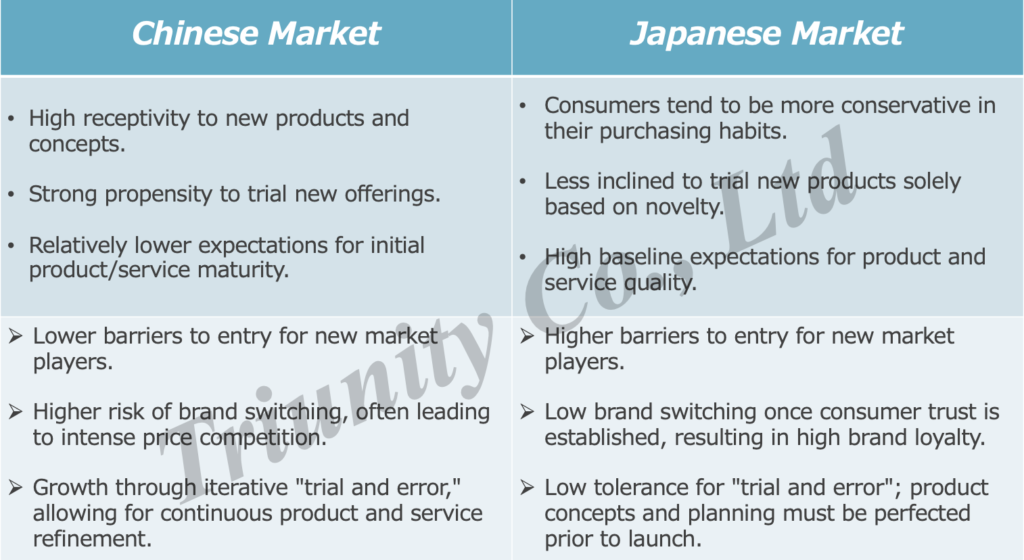
Figure 1: Comparison of Market Characteristics: China vs. Japan
Interviewer: “Is the reason they don’t tolerate trial and error because Japanese consumers simply have so many options to choose from? Or do you think there’s something else behind it?”
Mr. Gao: “Exactly. Relatively speaking, services in the Japanese market are far more mature than those in China. At the end of the day, doing business is all about solving a customer’s problems or meeting their needs. Japanese consumers already have solutions that are an 8 or 9 out of 10—sometimes they’re almost perfect. I’m constantly searching to see if there are even better solutions out there, but if a perfect solution already exists, then how you deliver that product or service becomes the key. I think this is where it differs greatly from the Chinese market. There is a difference in terms of cultural backgrounds, but I believe that difference is more significant. The bottom line is that the needs of Japanese and Chinese consumers regarding the overall brand experience are fundamentally different.”
2. How should Chinese brands localize for the Japanese market?
Interviewer: “Mr. Gao, you provide localization consulting for Chinese brands entering Japan. In your experience, especially during the initial stages of overseas expansion, what are some of the key differences in culture and business customs that your Chinese clients encounter in the Japanese market? Could you share your insights on this?”
2-1. Difference of Perspectives on Change and Costs
Mr. Gao: “This is a prominent issue that almost every Chinese company faces when entering Japan. The most frequent challenge is the difference in attitude toward the pace and speed of business. Compared to China, the pace of change in Japanese society is much slower, and it’s a market where new trends aren’t always easy to spot. In China, the common approach is to make constant adjustments as the situation evolves. In contrast, in Japan, it’s standard practice to plan everything in meticulous detail—from the project’s inception all the way to the final implementation stage. Once that plan is set, you’re expected to follow the timeline and move forward step by step.”
Mr. Gao: “For example, a common case is when you need to renovate a building to open a new store. In China, it’s typical to change plans frequently during the process. If a problem pops up, you just send someone in charge to handle it on the spot. You need to keep in mind that this approach is quite difficult to pull off in Japan. Once the planning and design stages for a new store are finalized, making changes later on becomes extremely difficult. In the Japanese context, ‘confirmed’ really means ‘locked in.’”
Mr. Gao: “Many factors come into play here. First, there’s a difference in work habits. In Japan, contractors usually juggle multiple projects at different sites simultaneously. Even if they spend a whole week working closely with a client, they might move on to a completely different site the following week. If the client decides they want to make a change and tries to call them back, they should know that the contractor’s schedule is likely already booked up—sometimes for the next two or three months. Whenever you want to make a change while doing business in Japan, it’s going to cost you significantly more time and money than it would in China. This gap in expectations is one of the most common problems Chinese companies face.”
2-2. Differences in Commercial Leasing Practices
2-2-1. High Initial Costs for Opening a Store
Mr. Gao: “The second major difference involves real estate leasing. Generally, lease terms for opening a shop in Japan are relatively longer than in China. While 3 to 5 years is the most common range, for commercial properties like shopping malls, it typically extends to 5 to 7 years. For restaurants in particular, 7 to 10 years is standard. The reasoning behind this is that malls aim to ensure a steady return on investment and debt repayment by securing longer commitments. Furthermore, there are numerous costs associated with opening a store—security deposits (shikikin), move-in fees, brokerage commissions, and renovation costs—all of which inflate the initial investment and raise the barrier to entry. These combined costs can be equivalent to 12 to 18 months of rent, which is something Chinese companies must take into account. For instance, if the monthly rent is 100,000 RMB (approx. 14.5K USD), you should be prepared to pay nearly 2 million RMB (approx. 290K USD) just for the initial costs. It’s important to remember that this can place a significant burden on your finances.”
2-2-2. High Credit and Trust Costs
Mr. Gao: “The next point is something that I think many overseas business professionals will find quite unique. It’s that Japanese property owners place immense importance on whether or not you have a track record of success within Japan. Even if you have 200 or even 2,000 stores globally, Japanese shopping mall owners tend not to give that a high valuation. They believe that the Japanese market operates under its own unique rules and logic, so success abroad doesn’t necessarily guarantee success here. To be blunt, they aren’t particularly interested in your achievements outside of Japan.”
Interviewer: “For example, if a brand has locations in other highly developed cities such as London or Paris, would that have a positive impact on their evaluation?”
Mr. Gao: “Many Chinese companies without prior business experience in Japan assume that having locations in Europe or the U.S. will be highly valued by Japanese stakeholders. In reality, however, for a shopping mall owner, these international achievements often fail to act as a plus—and in some cases, they can even be perceived as a minus. Let me explain why. While success in other overseas markets might guarantee the quality of your product or service, it doesn’t alleviate concerns regarding your ‘operational logic.’ Owners worry that a brand successful in the West will try to force those same global methods onto the Japanese market, rather than adapting to local practices.”
Mr. Gao: “Let me give you an example that illustrates just how high the ‘credit/trust cost’ is in Japan. Last year, in 2025, while I was managing a project for the coffee chain M Stand, the client had already identified two or three potential locations. However, those buildings were still under renovation, so they weren’t in a state where a store could be opened immediately. Because of that, we applied for a tiny space—essentially a small coffee stand or a kiosk—in a local shopping street. It was a mere 15 square meters with very attractive, low rent. Since the client is a major corporation with numerous stores in China and a generous budget for construction, they assumed there would be no issue. Yet, they were rejected for one reason, and one reason only: the fact that they did not yet have a single physical store in Japan.” (For more details on the M Stand project, please refer to this article: From Kyoto to the World: Lessons in Global Branding from %Arabica & M Stand)
Mr. Gao: “Even when trying to rent a space as small as a street stall, if you don’t have experience operating a store in Japan, Japanese society will doubt both your capability and your social credit. Their biggest concern is simply your lack of experience in the Japanese market. They carefully evaluate how this might impact the management of a shopping mall or the surrounding environment. This includes your internal management—such as how you interact with Japanese employees—and whether you understand the underlying nuances of Japanese culture. This is because Japanese is a high-context language and culture.
Interestingly, Chinese culture is also high-context, but it’s important to understand that Japanese people tend to strongly believe their high-context culture is entirely unique. They assume that overseas professionals who haven’t done business here will fail to grasp these cultural differences, social customs, and interpersonal dynamics (even though many of these aspects are actually quite similar to Chinese culture). They tend to operate on a negative assumption: that a foreign Chinese company won’t understand Japanese customs, nor will their products or management systems comply with local laws and regulations. And if you haven’t opened a store in Japan yet, you have no way to prove those assumptions wrong.”
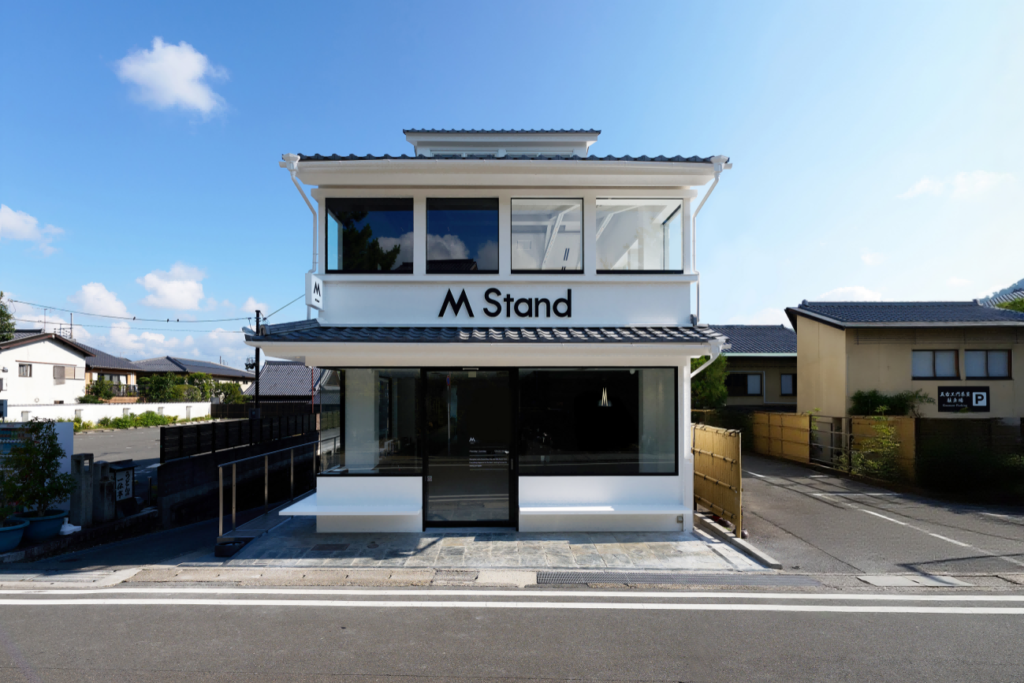
Figure 2: After a long and challenging search for the right location, M Stand Kyoto Higashiyama celebrated its grand opening in the summer of 2025.
Interviewer: “I see. That certainly sounds like a unique and formidable challenge for any company entering the Japanese market. In that case, if a Chinese company doesn’t have any physical locations in Japan yet, what strategies or methods can they use to successfully navigate the process and finally open their first store?”
Mr. Gao: “While there is no 100% foolproof method, one common approach is to start by considering a pop-up store within a mall to establish brand credibility. This is a very standard practice in Japan. To build brand awareness in the local market, you can even hold long-term pop-up events lasting three to six months. Furthermore, a pop-up allows you to gather crucial early-stage data, such as sales figures, cash flow, and overall profitability. Most importantly, by maintaining smooth communication with the Japanese side during the pop-up, you can leave a positive impression and alleviate one of the mall’s primary concerns. Once they develop trust in your brand, subsequent negotiations for a permanent lease will become much smoother.”
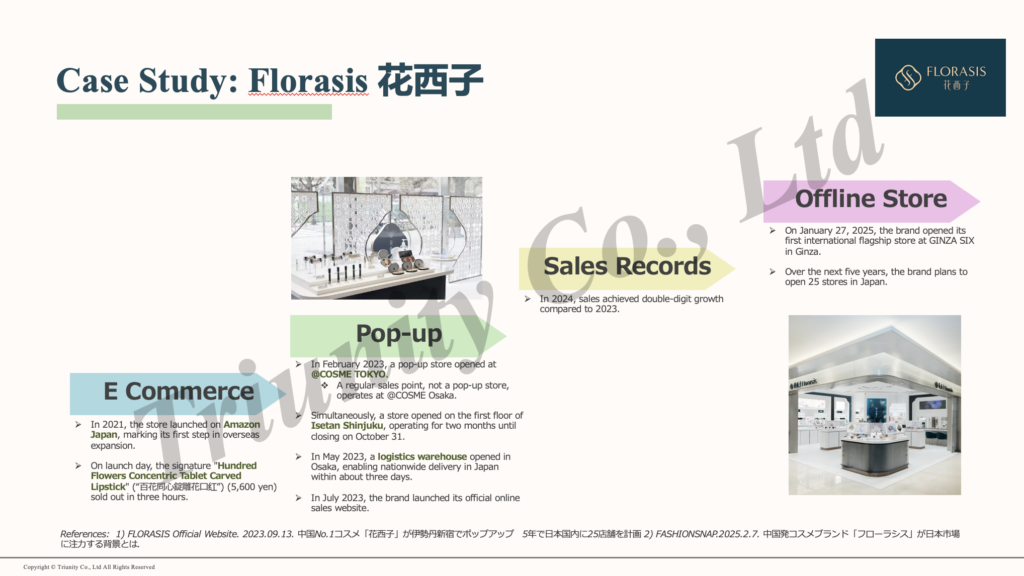
Figure 3: A successful example of a step-by-step market entry: Florasis (花西子) expanded from E-commerce to pop-up stores, and finally opened its permanent offline store.
Mr. Gao: “Another vital approach is to focus on relationship-building. This involves making frequent visits to developers or individual property owners, inviting them to your office, or simply sharing a cup of tea. Building a sense of familiarity can be a powerful way to win their trust. In many cases, the personal charisma and character of the person acting as the brand’s representative can serve as a significant advantage.”
3. Competitive Advantages of Chinese Companies in the Japanese Market: Speed, Cost, and Social Media Promotion
Interviewer: “Given that the Japanese market is considered relatively conservative, what kind of advantages do you believe Chinese restaurant brands can leverage here? Do you think they hold an edge in areas such as supply chain management or operational efficiency? Furthermore, do you believe these advantages can be successfully replicated in the Japanese market?”
Mr. Gao: “Yes, they certainly have a competitive edge. Generally speaking, Chinese brands possess superior organizational agility. This encompasses their supply chain systems, the speed of product development and launches, and their turnover rates. This efficiency isn’t limited to the ingredients themselves; it extends to how quickly they update their kitchen equipment and promotional materials. Fundamentally, the core strength of Chinese companies in the Japanese market is their sense of urgency—the sheer speed at which someone is ready to react and resolve an issue the moment it arises.”
Mr. Gao: “High speed and relatively low costs are undoubtedly the core strengths of Chinese companies. Beyond that, given their massive presence in the Chinese market, many of these firms possess extensive experience in social media promotion, visual design production, and managing the pace of new product launches and events. These ‘soft’ advantages can be effectively leveraged in the Japanese market. On the ‘hard’ side, costs can be significantly reduced if equipment, furniture, or certain construction materials can be imported directly from China to Japan.
Ultimately, Japan is a market that is relatively easy to navigate once you have secured the support of consumers. Once you overcome that initial high barrier to entry, I believe the subsequent level of difficulty is actually quite low.”
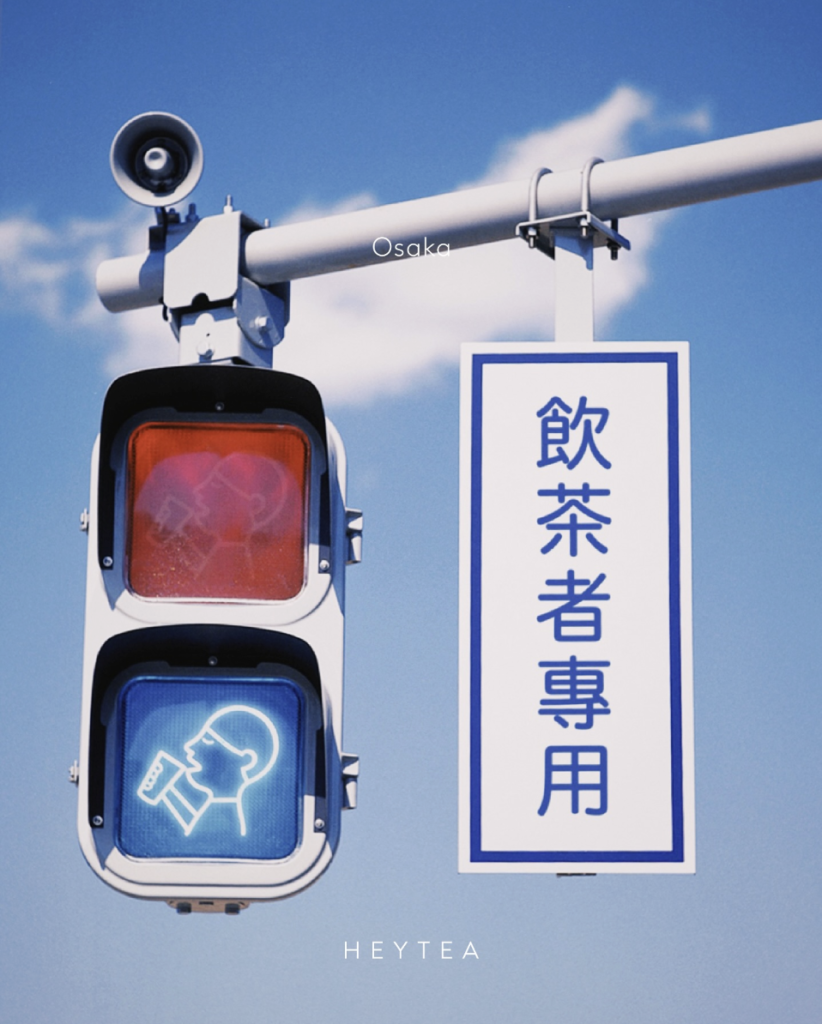
Figure 4: Examples of HEYTEA Japan’s Instagram promotions.
Source: HEYTEA Japan’s Instagram account
Mr. Gao: “However, this barrier to entry is exceptionally high. To make the true value and essence of your brand understood, foreign companies may need to put in several times more effort than a Japanese company would. Therefore, entering the Japanese market requires a fundamental shift in mindset. For Chinese companies, the entry process might feel like a long, grueling uphill climb. If your commitment isn’t strong enough, there is a real risk that your patience and motivation will be exhausted before you ever reach the top of that hill.”
4. The Realistic “Speed” for Success in the Japanese Market
Interviewer: “Realistically, how much time do you think it takes for a Chinese F&B brand to achieve growth in the Japanese market? Personally, I feel that it takes at least one year—would you consider that a ‘fast-track’ case, or is that the standard?”
Mr. Gao: “Actually, I would say one year is on the faster side. First, consider the timeline: from the moment you find a commercial space and begin negotiating lease terms, you will go through several rounds of documentation. This alone takes about a month. Then, additional administrative paperwork takes another month. Following that, the renovation and interior construction take about three months. By this point, half a year has already vanished. In other words, six months pass before you even reach the stage of hiring staff and opening your doors. The remaining six months are then spent tackling supply chain issues, resolving cultural friction in communication with your local employees, and refining your relationship with Japanese customers. Therefore, I believe it takes at least a full year before you can truly feel a sense of growth in the Japanese market.”
Mr. Gao: “You spend the first six months just getting the doors open. The following six months are then consumed by launching products and scrambling to address customer feedback and operational issues. Resolving these often requires even more time and effort than initially anticipated. Generally speaking, it takes one full year of high-intensity operation to complete a single cycle of a store opening.”
5. Crucial Pitfalls: What Chinese F&B Brands Must Watch Out for When Entering Japan
Interviewer: “In the initial entry phase, critical steps include site selection, store interior design, and recruitment. For a Chinese company entering the Japanese market—taking Kyoto as a specific example—what are the key points they should be particularly cautious about?”
Mr. Gao: “Let’s address each of these points individually.”
5-1. On Site Selection
Mr. Gao: “First, let’s talk about site selection. This is a relatively difficult process, though the challenge isn’t necessarily specific to being a Chinese company. When major Chinese brands choose a location, they tend to focus exclusively on the ‘prime of the prime’ spots within high-end commercial districts.”
Interviewer: “You mean locations with high foot traffic. But for a foreign brand, isn’t it incredibly difficult to secure those top-tier, ‘AAA’ retail spaces in Japan?”
Mr. Gao: “Unless you are willing to invest an astronomical amount of capital, securing those prime locations is extremely difficult. Furthermore, ‘S-rank’ retail spaces are deeply intertwined with social credit—they aren’t something you can secure with money alone. As I mentioned earlier, this is exactly what I mean by the high ‘cost of credit’ in Japan.”
Mr. Gao: “Furthermore, what you must realize is that high foot traffic alone does not guarantee success. There are locations where the crowd is immense right in front of your door, yet for some reason, people never step inside. Conversely, there are spots on narrow side streets that, despite appearances, are frequented by locals. Evaluating these nuances and choosing the right site requires more than just a brand’s independent judgment; it is crucial to have a partner who supports your site selection. You need the help of someone deeply rooted in the community—someone who understands local movement patterns and the true flow of people. I don’t presume to be that person myself, but I do run my own businesses and have learned through the failures of my own site selections. I believe I can leverage those experiences to help others.”

Figure 5: M Stand’s new location is situated along the main approach (Sando) leading to Nanzen-ji Temple, a prime position designed to maximize appeal to the steady stream of tourists.
Source: M Stand小红书account
5-2. On Store Design
Mr. Gao: “Next, let’s discuss store decoration and design. As I mentioned earlier, the renovation period in Japan is significantly longer than in China. Furthermore, Kyoto—being both a major tourist destination and an ancient capital—has numerous detailed regulations regarding urban landscapes, known as Keikan Jorei (Landscape Ordinances). Because of this, many store designs and logos used by Chinese brands domestically are difficult, if not impossible, to replicate in Kyoto. There are specific requirements for brand colors and store signage area that vary by district. For instance, the rules for riverside locations differ from those in mountainous areas or the city center. Each of these regulations comes with a different level of difficulty and a set of highly specific rules that must be followed.”
Interviewer: “What specific requirements are there regarding the logo’s color, shape, and size? Could you give us more details on that?”
Mr. Gao: “There are restrictions on every aspect, including color. For instance, you might often hear that using primary colors in logos is prohibited in Kyoto. By primary colors, I mean vivid reds, greens, and yellows. In addition to that, there are actually various other color-related regulations. Take our M Stand Nanzen-ji project as an example. The store was located in a district near Nanzen-ji Temple classified as a ‘Peak Zone Scenic Area‘—the area where landscape regulations are at their absolute strictest.”
Interviewer: “Just how stringent are the landscape regulations within these ‘Peak Zone Scenic Area ‘? Could you give us a sense of the actual scale of the challenge?”
Mr. Gao: “First of all, you are restricted to using only four specific types of exterior wall materials. Furthermore, every single one must be a natural material. For example, if you want a white wall, you cannot use white paint; you must use traditional white plaster (shikkui). If you want a brown wall, you are required to use cedar planks that have been charred and carbonized (yakisugi). For earthen walls, you are limited to choosing between just two shades: light yellow or dark yellow. These regulations are incredibly stringent. On top of that, there are strict height limits for the building itself. The rules even extend to window frames—in this specific area, metal frames are strictly prohibited.”
Interviewer: “Why is that? What is the underlying reason for such extreme restrictions?”
Mr. Gao: “It is because any new construction must not compromise the aesthetic style of the ancient capital. Regarding window frames, you are essentially left with two options: a frameless design that is virtually invisible, or the use of natural wood. Using silver aluminum alloy is absolutely out of the question.”
Mr. Gao: “The regulations are incredibly meticulous. If your design and construction teams do not fully grasp these requirements from the start, you will face severe consequences. As I mentioned earlier, if a Japanese contractor has already finished their portion and you need to call them back to rectify a regulatory oversight, it can take one or two months—or even longer. It might take three to four months just to get painters back on-site for the exterior walls. Renovation is, by nature, a step-by-step process. If you move forward while certain critical tasks remain incomplete or non-compliant, it triggers a mountain of unnecessary paperwork and results in massive additional costs. In Kyoto, this kind of ‘hassle’ is a very real and significant factor.”
Interviewer: “In a way, having fewer choices might actually work in your favor, don’t you think?”
Mr. Gao: “From the perspective of achieving a ‘Kyoto-esque’ style, I would agree. You are essentially choosing from a predetermined set of options—A, B, C, or D. The styles you can actually implement are quite limited.”
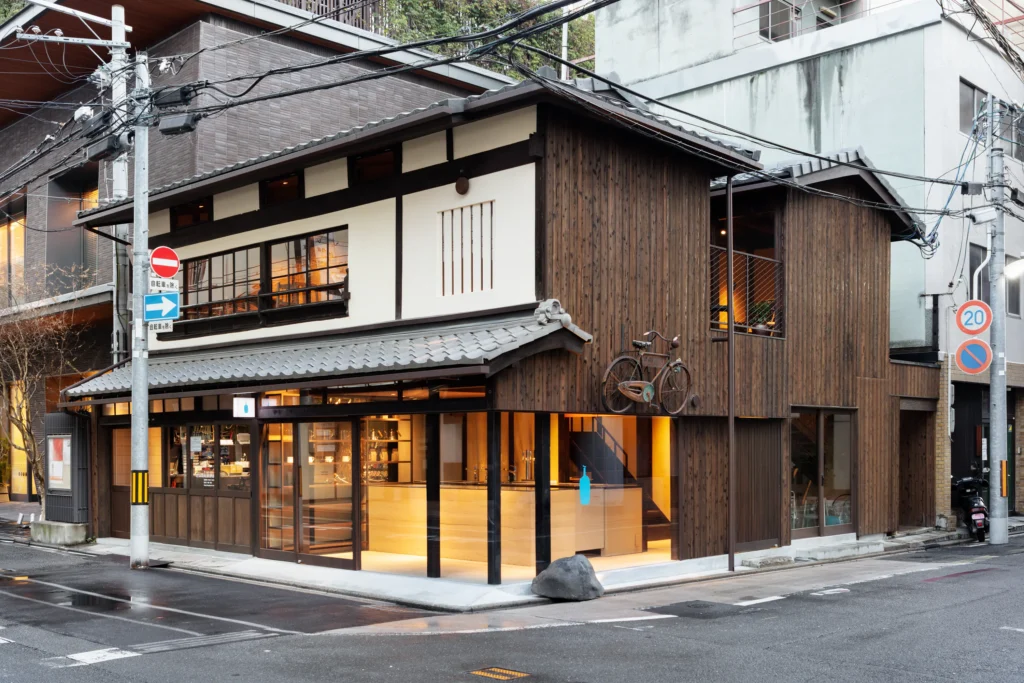
Figure 6: Blue Bottle Coffee Kyoto Rokkaku Cafe—an exemplary case of preserving and leveraging the traditional Machiya (townhouse) style to create a unique brand experience.
Source:Blue Bottle Coffee’s Official Website
Interviewer: “Are these strict requirements for materials, colors, and logos unique to Kyoto? Or is this a nationwide standard across Japan?”
Mr. Gao: “Fundamentally, Kyoto is the most stringent. While every region has its own local regulations, Kyoto’s are far more numerous and complex. You will find similar levels of control in other traditional cities like Nara and Kanazawa. Conversely, a city like Osaka is much more relaxed. Have you ever been to the Dotonbori shopping district? The signs there are incredibly massive. In Dotonbori, those giant, high-impact signs are exactly what defines the character of the street—big and bold is the mainstream style there.”
Mr. Gao: “Each city possesses its own distinct and unique atmosphere. In the Kansai region, for instance, Kyoto, Kobe, and Osaka are all within a mere hour’s drive of each other, yet they exhibit completely different characteristics. These traits are, in part, a reflection of local government policies; it’s clear that each municipality invests a great deal of effort into crafting its specific urban image. You can see that every city in Japan is deeply committed to its own branding. Whether the style is traditional or modern, commercial or cultural, they implement various regulations to create and maintain that image. Chinese companies would be wise to keep this localized reality firmly in mind.”
Interviewer: “In a place like Kyoto where regulations are so stringent, what happens if an existing brand’s logo color doesn’t meet the local requirements? Is it enough for the brand to simply change its colors for that specific location?”
Mr. Gao: “In many cases, the colors of a brand logo are subject to mandatory modification. For example, if you wish to use a bright color over a large surface area, there is a regulation stating that colors with a value higher than N4 cannot be used. ‘N4’ refers to a value within the Japanese Industrial Standards (JIS) for paint. The JIS standard includes color samples that define not only the hue but also strict criteria for lightness (Value) and grayscale levels. In Kyoto city, using any color that exceeds a lightness of N4 or N6 (depending on the specific zone) is strictly prohibited.”
Mr. Gao: “McDonald’s is a famous example. To comply with local rules, they sometimes change their iconic red logo to brown, or even use a black-and-white scheme for the brightest parts of their storefront. Lawson is another interesting case. In Japan, the Lawson logo features white sections at the top and bottom with a blue stripe through the middle. To comply with local landscape regulations, some stores in Kyoto use even more white. In contrast, the logo in China is typically all blue.”
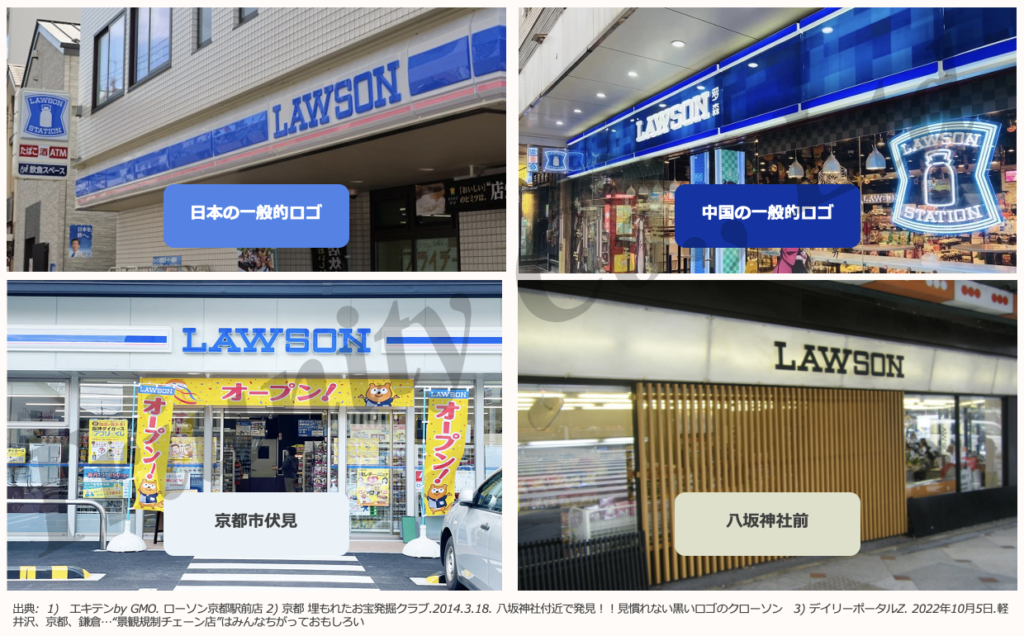
Figure 7: Regional Variations of the Lawson Logo
Mr. Gao: “In Kyoto, there are numerous requirements regarding color schemes. Initially, I thought the restrictions would only apply to colors, but after consulting with the local government, I realized the regulations are incredibly detailed and meticulous, all designed to preserve the traditional landscape. There are limitations on everything: materials, surface area, and even brightness. For example, if a store is located on a corner, it is technically possible to have a large L-shaped sign. However, regulations prevent you from covering the entire available display area; the total surface area of the signage is strictly limited. Consequently, many stores deal with this by installing smaller signs in three separate sections—front, side, and corner—leaving empty ‘white space’ in between. Furthermore, the use of lightboxes is prohibited. Every time you renovate or install a sign, you must apply for permission from the local government multiple times. Another crucial point is that even after obtaining permission, the installation must be handled by a contractor certified by the municipality; you are not allowed to do it yourself.”
Interviewer: “Why is that? What is the reasoning behind requiring specific certified contractors and prohibiting self-installation?”
Mr. Gao: “It is because the administration is concerned that companies might make unauthorized modifications to the design after the initial permit is granted. In a city like Kyoto, where contractors must be officially certified, the submission of a ‘Construction Completion Report’ is mandatory. If these reports are not submitted, or if the actual installation deviates from the approved plan, your permit could be revoked.”
5-3. Recruitment and Training of Local Staff
Interviewer: “Moving on to recruitment and training—what specific points do you think require the most attention? And in your view, is hiring local Japanese staff the best choice? Or should a brand initially rely on Chinese staff to manage the operation?”
Mr. Gao: “From a recruitment standpoint, hiring shop staff in Japan is relatively easy. However, it’s true that many people are reluctant to perform heavy kitchen work. For instance, while a cafe-style business might receive 50 applications a day, a restaurant format with a heavy emphasis on kitchen duties might only attract two applicants—even if the wages are identical. Japanese youth generally have a lower motivation to work in the broader F&B (food and beverage) industry, often preferring sectors like retail. Within the F&B industry itself, they tend to favor jobs with a lighter physical burden, such as hotels, traditional inns (ryokan), bars, and cafes.”
Mr. Gao: “Next, Chinese companies must be mindful that social security costs in Japan are extremely high. To avoid the threshold for these payments, many workers choose not to become full-time employees and instead work part-time across two or more different companies. If a candidate expresses a desire to be registered as a full-time employee (Seishain) during the hiring process, you can interpret that as a sign of very strong commitment and intent. However, you must not forget that hiring someone as a full-time employee significantly increases the social security burden on the employer. This leads to a persistent dilemma in recruitment: balancing long-term employee development with rising operational costs.”
Mr. Gao: “Furthermore, foreign companies should pay close attention to Japan’s so-called ‘Employee Handbook culture’ (Manual culture). The system implemented by MUJI is particularly noteworthy in this regard. It is crucial to prepare comprehensive manuals that dictate exactly how to react and resolve issues when problems arise. Additionally, there is an implicit rule in Japanese employee training that all necessary sessions must be conducted thoroughly. Entering brands must, therefore, prepare a robust training system. Because they rely heavily on these systems, Japanese employees might appear to have lower individual problem-solving skills compared to Chinese employees, who tend to resolve issues independently once deployed. On the other hand, Japanese employees tend to be more efficient when it comes to handovers, orderly reporting, and internal coordination. Moreover, they possess a very high sense of responsibility and clearly understand who should take accountability when a problem occurs.”
Interviewer: “Even if an issue isn’t their personal fault, staff may face customer complaints or be expected to apologize on behalf of others. In such cases, what kind of preparation should the employer provide?”
Mr. Gao: “Japanese people have an exceptionally strong sense of responsibility and accountability. Therefore, when creating your employee handbook or disciplinary systems, you must state every detail with absolute clarity. As long as the framework is well-defined, Japanese staff will exert their maximum effort to achieve the best results for the brand within that system. On the other hand, they rarely take the initiative to break rules, nor do they often engage in ‘extra’ or unsolicited actions beyond their defined roles—this is a key point where they differ from Chinese staff. Taking a long-term perspective, it is vital to establish a localized, unique working structure suited for Japanese employees, rather than forcibly imposing Chinese management styles. Please keep in mind that failing to do so will make them feel uncomfortable within the system, leading to higher turnover rates and, ultimately, increased costs.”
Interviewer: “So, institutional design is the key. Are there any other major differences between Chinese and Japanese employees? For example, when a customer complaint arises, aren’t Japanese employees particularly sensitive about whose specific mistake it was?”
Mr. Gao: “That’s true. For instance, I tend to forget small details quickly, so I’m relatively casual about identifying exactly whose mistake it was. If it’s a minor complaint, I might even just let it slide. However, Japanese employees don’t just ‘receive’ a complaint; they often have a strong underlying need to clarify, ‘This wasn’t my fault; this wasn’t my responsibility; it was someone else’s.’ In that sense, you could say they are much more sensitive to on-site issues. Of course, this varies from person to person and is just my personal impression, but I find this tendency particularly strong when dealing with complaints that fall outside the scope of the manual.”
Mr. Gao: “Furthermore, Japanese staff have an incredibly strong tendency to follow rules to the letter. To put it simply, if you tell them to ‘clean the restroom five times a day,’ they will do it without fail. If you convey that ‘this is the rule, so it must be done,’ they will ensure it happens. On the other hand, in my experience, Chinese staff might not be quite so compliant—they’d likely do it three times at most! (laughs)”
Mr. Gao: “Additionally, if they feel there is a better way to do things within the framework of the rules, they will proactively make suggestions. They might say, ‘This part of the process is extremely inefficient; we need to improve the method.’ Japanese staff are very inclined toward this kind of ‘improvement-oriented’ behavior.”
Interviewer: “In that case, would it be crucial for supervisors and store managers to remain highly attentive to these proactive behaviors and suggestions from their employees?”
Mr. Gao: “Yes, absolutely. Without clear guidelines, you end up asking staff to navigate areas that aren’t covered by company regulations or rules. That is why the more detailed your rules are—and the more time you invest in training—the easier it becomes for them to execute their tasks. Generally speaking, once a program is properly established in Japan, the employees will do their utmost to sustain it consistently.”
Leave a Reply